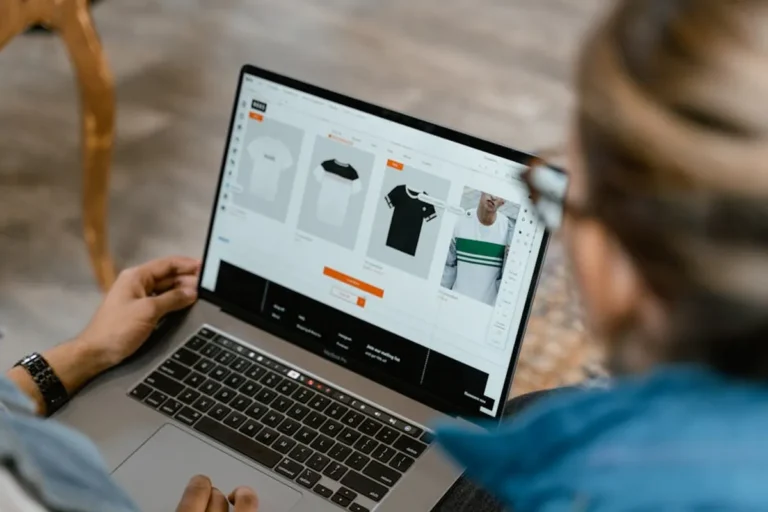

For commerce and retail sites, content is not merely an auxiliary marketing function; it is a direct driver of sales, customer loyalty, and brand equity. The challenge lies in moving beyond generic product descriptions to create content that genuinely engages, informs, and converts. Effective content strategies for e-commerce prioritize utility, trust, and clear pathways to purchase, addressing customer needs at every stage of their buying journey. This requires a precise understanding of audience intent, product value propositions, and the competitive landscape. This requires a precise understanding of audience intent, product value propositions, and the competitive landscape, addressing what makes a site worth bookmarking for repeat visits.
The goal is to cultivate a content ecosystem that supports both immediate transactional goals and long-term brand building. This means selecting content formats that resonate with specific customer segments, provide measurable value, and integrate seamlessly with product offerings. The following ideas are designed to achieve these objectives, offering actionable frameworks for developing content that performs.
Evaluating Content Ideas for Commercial Impact
Before committing resources to content creation, assess each idea against core commercial objectives. Consider its potential to attract qualified traffic, educate prospective buyers, differentiate your brand, and ultimately, drive conversions. Prioritize content that addresses common customer pain points, answers critical pre-purchase questions, or enhances the post-purchase experience. Evaluate the competitive landscape to identify content gaps or opportunities for superior execution. Finally, ensure the content idea aligns with your brand's voice and product catalog, providing authentic value that reinforces your market position.
1. Comprehensive Buyer's Guides
Comprehensive buyer's guides serve as authoritative resources for consumers researching significant purchases. They typically cover product features, benefits, considerations, and comparisons within a specific category, aiming to educate the buyer thoroughly before they make a decision. These guides position the commerce site as a trusted expert, attracting high-intent search traffic by addressing complex purchasing decisions with detailed, objective information.
Best For: High-value products, complex categories, or items requiring significant research (e.g., electronics, furniture, automotive parts, specialized tools, enterprise software). They are particularly effective for categories where customers need to understand technical specifications, material differences, or long-term value propositions.
Pros: Attracts qualified leads by targeting long-tail, high-intent keywords; establishes brand authority and trust by providing unbiased information; reduces post-purchase returns by setting clear expectations; offers evergreen content potential with periodic updates; can serve as a central hub for internal linking.
Cons: Requires extensive research and regular updates to maintain accuracy and relevance; can be resource-intensive to produce due to the depth required; may inadvertently send users to competitors if not carefully structured to keep them on-site with clear product integrations and calls to action.
Verdict: Essential for commerce sites selling considered purchases. Success hinges on depth, impartiality (within the brand's offering), and clear calls to action that integrate naturally into the educational flow without appearing overly promotional. These guides build a foundation of trust that can convert researchers into loyal customers.
2. Detailed Product Comparison Articles
Product comparison articles directly address customer uncertainty by evaluating two or more similar products, often including your own offerings alongside competitors. These articles break down features, pricing, performance, and use cases, providing a structured analysis that helps customers decide which product best fits their needs. The objective is to pre-empt comparison shopping by offering the necessary information directly on your site.
Best For: Product categories with multiple similar options, where feature sets or pricing tiers are critical differentiators (e.g., software subscriptions, electronic gadgets, home appliances, apparel with varying materials). Effective when a site offers multiple versions of its own product or when customers frequently compare its products to specific competitors.
Pros: Captures high-intent "vs." or "comparison" search queries; directly influences purchase decisions by providing clear differentiators; positions the brand as transparent and confident in its offerings; can highlight unique selling propositions against competitors; reduces decision fatigue for buyers.
Cons: Requires thorough knowledge of competitive products, which necessitates ongoing market research; risks inadvertently promoting competitors if the analysis is not carefully balanced and framed; can become outdated quickly if product specifications or pricing change frequently; demands a neutral, objective tone to maintain credibility.
Verdict: A high-leverage content format for competitive markets. Effective comparison articles require meticulous research and a balanced perspective, ultimately guiding customers toward your solution by clearly articulating its superior fit for specific needs. The key is to demonstrate value without resorting to overt sales tactics.
3. How-To & Tutorial Content
How-to and tutorial content provides practical, step-by-step instructions on using products, solving common problems, or achieving specific outcomes related to your product categories. This format addresses direct user needs, making products more accessible and demonstrating their utility in real-world scenarios. It can range from basic setup guides to advanced usage techniques, often incorporating visual aids like images or videos.
Best For: Products with a learning curve, items requiring assembly, or products that solve specific functional problems (e.g., software, tools, craft supplies, home improvement products, beauty products, cooking ingredients). Also valuable for demonstrating the versatility of a product.
Pros: Attracts users searching for solutions, often leading them directly to relevant products; improves customer satisfaction and reduces support inquiries by empowering users; increases product adoption and long-term engagement; offers strong potential for video content and rich snippets in search results; builds authority as a helpful resource.
Cons: Can be time-consuming to create, especially with detailed visuals or video; requires clear, concise writing and accurate instructions to be effective; needs regular updates as product features or best practices evolve; may become too technical for some audiences if not simplified appropriately.
Verdict: Fundamental for products that require user interaction or problem-solving. Well-executed how-to content not only drives traffic but also enhances the customer experience, fostering loyalty and reducing friction in product usage. It transforms product features into tangible benefits for the user.
4. Seasonal & Holiday Gift Guides
Seasonal and holiday gift guides curate product selections tailored to specific occasions, holidays, or seasonal needs. These guides simplify the shopping process for consumers by offering themed recommendations, often categorized by recipient, budget, or interest. They capitalize on peak shopping periods by aligning product offerings with timely consumer demand and emotional purchasing triggers.
Best For: Virtually all commerce and retail sites, especially those with diverse product catalogs or products suitable for gifting (e.g., fashion, home goods, electronics, books, gourmet foods, beauty products). Particularly effective during major holidays like Christmas, Valentine's Day, Mother's Day, or seasonal events like summer travel or back-to-school.
Pros: Drives significant traffic and sales during peak seasons; provides immediate relevance to current consumer needs; simplifies product discovery for gift-givers; offers opportunities for cross-selling and bundling products; can be easily promoted through email marketing and social media; generates timely, high-conversion traffic.
Cons: Highly time-sensitive, requiring rapid content creation and promotion cycles; content has a short shelf-life, necessitating new guides each year or season; competitive landscape for holiday keywords can be intense; requires careful inventory management to avoid promoting out-of-stock items.
Verdict: A high-ROI content strategy for specific periods. Success depends on timely execution, creative curation, and effective promotion. These guides are not merely product lists; they are solutions for gift-giving dilemmas, making the shopping experience effortless and enjoyable for customers.
5. User-Generated Content (UGC) Showcases
User-generated content showcases feature authentic customer contributions such as photos, videos, testimonials, and reviews. This content leverages social proof to build trust and demonstrate product desirability through the eyes of real users. Showcases can take many forms, from dedicated gallery pages to integrated feeds on product pages, or even blog posts highlighting customer stories.
Best For: Fashion, beauty, home decor, travel, food, and any product category where visual appeal and real-world application are important (e.g., apparel styled by customers, before-and-after photos of home improvement projects, customer reviews with photos of product in use). Enhances products that benefit from social validation.
Pros: Builds significant trust and credibility through authentic social proof; provides fresh, diverse content without direct creation costs; increases conversion rates by showing products in real-world contexts; fosters community and customer loyalty; offers unique content for social media promotion; provides valuable feedback for product development.
Cons: Requires moderation to ensure quality and brand alignment; may involve obtaining permissions from users for commercial use; content quality can be inconsistent; relies on active customer participation, which may need incentivization; negative UGC, though rare, must be managed carefully.
Verdict: Invaluable for building social proof and fostering community. UGC showcases are a powerful tool for demonstrating product value authentically, often outperforming professionally produced content in terms of relatability and conversion impact. Effective implementation requires a clear strategy for collection, curation, and display.
6. Behind-the-Scenes & Brand Story Narratives
Behind-the-scenes content and brand story narratives offer a glimpse into the company's operations, values, and the people behind the products. This type of content humanizes the brand, building emotional connections with customers by sharing the journey, craftsmanship, ethical practices, or unique philosophy that drives the business. Formats can include articles on manufacturing processes, interviews with founders, or stories about sourcing materials.
Best For: Brands with a strong mission, unique craftsmanship, sustainable practices, or a compelling origin story (e.g., artisanal goods, ethical fashion, organic food brands, small businesses with a personal touch). Particularly effective for products where provenance, quality, or social impact are key selling points.
Pros: Builds strong brand loyalty and emotional connection with customers; differentiates the brand from competitors based on values, not just price or features; enhances brand perception and trust; provides unique, non-promotional content for storytelling; appeals to customers looking for authenticity and transparency.
Cons: Requires careful storytelling and authenticity to avoid appearing disingenuous; may not directly drive immediate conversions, focusing instead on long-term brand equity; can be challenging to produce consistently if there isn't a rich ongoing narrative; may reveal proprietary processes if not managed carefully.
Verdict: Crucial for brands aiming to build a loyal customer base beyond transactional relationships. Authentic brand storytelling creates a deeper connection, justifying premium pricing and fostering advocacy. It shifts the focus from "what" you sell to "why" you sell it, resonating with value-driven consumers.
7. Problem-Solution Focused Content
Problem-solution content identifies a common customer pain point or challenge and then positions a product or service as the effective remedy. This content directly addresses user needs by framing products not just as items to buy, but as solutions to real-world problems. It typically starts by articulating the problem, elaborates on its impact, and then introduces the product as the ideal way to overcome it, often with examples or case studies.
Best For: Products designed to solve specific functional issues, improve efficiency, or mitigate common frustrations (e.g., organizational tools, ergonomic products, skincare for specific conditions, software solutions, cleaning products). Effective in B2B commerce and for consumer products addressing a clear need.
Pros: Directly targets high-intent search queries related to specific problems; educates customers on the value proposition of the product beyond its features; demonstrates empathy and understanding of customer needs; helps users self-qualify by recognizing their problem in the content; leads to higher conversion rates due to clear utility.
Cons: Requires a deep understanding of customer pain points and how products genuinely address them; can become overly promotional if the problem is exaggerated or the solution is not genuinely effective; needs to avoid jargon and speak directly to the user's experience; may require A/B testing to optimize problem framing.
Verdict: A highly effective conversion-oriented content strategy. By focusing on the customer's problem first, this content builds rapport and demonstrates immediate relevance, making the product's value proposition undeniable. It shifts the narrative from product-centric to customer-centric, driving motivated buyers.
8. Interactive Product Finders & Quizzes
Interactive product finders and quizzes guide users through a series of questions to recommend the most suitable products based on their specific needs, preferences, or use cases. These tools personalize the shopping experience, reducing decision fatigue and increasing confidence in product choices. They can range from simple questionnaires to sophisticated configurators.
Best For: Sites with extensive product catalogs, complex product offerings, or categories where personalization is key (e.g., beauty products, mattresses, electronics, apparel sizing, pet supplies, fitness equipment, software subscriptions). Ideal for helping users navigate a vast array of choices.
Pros: Significantly enhances the user experience by offering personalized recommendations; reduces bounce rates and increases time on site; captures valuable first-party data on customer preferences; often leads to higher conversion rates by simplifying complex decisions; provides unique, shareable content for social media.
Cons: Requires technical development or reliance on third-party tools; needs careful design to ensure accurate and helpful recommendations; maintenance can be intensive if product catalogs change frequently; initial setup can be time-consuming; poor recommendations can frustrate users.
Verdict: A powerful tool for personalization and conversion optimization, especially for complex product selections. Interactive finders transform a potentially overwhelming shopping experience into an engaging, guided journey, leading customers directly to products that meet their specific requirements. The investment often pays off in improved customer satisfaction and sales.
9. Customer Success Stories & Case Studies
Customer success stories and case studies provide detailed accounts of how specific customers achieved positive outcomes using your products or services. These narratives offer compelling evidence of product effectiveness through real-world examples, complete with metrics or qualitative results where possible. They serve as powerful testimonials, building credibility and trust by demonstrating tangible benefits.
Best For: B2B commerce, high-value consumer products, or services where measurable results are a key selling point (e.g., software, consulting services, fitness programs, educational products, specialized equipment). Effective when demonstrating ROI or transformative impact is crucial.
Pros: Provides irrefutable social proof and builds strong credibility; helps potential customers visualize their own success with the product; offers in-depth insights into product applications and benefits; generates content that can be repurposed across sales and marketing channels; appeals to logical and emotional decision-making.
Cons: Requires customer permission and cooperation, which can be challenging to secure; gathering data and crafting compelling narratives can be time-consuming; may be difficult to generalize if customer use cases are highly specific; needs to be updated or refreshed periodically to maintain relevance.
Verdict: Essential for demonstrating product impact and building trust, particularly in B2B or high-consideration consumer purchases. Well-crafted success stories provide concrete evidence of value, converting skeptical prospects by showing them what's possible. They are a direct answer to the question, "Will this work for me?"
10. Style Guides & Lookbooks
Style guides and lookbooks showcase products within aspirational or practical contexts, demonstrating how they can be used, worn, or integrated into a lifestyle. These visual-heavy content pieces inspire customers, providing ideas for styling, pairing, or decorating. They move beyond simple product photography to create a narrative around the product's aesthetic and functional appeal.
Best For: Fashion, home decor, furniture, beauty products, art, and any product category where visual presentation and aesthetic integration are key purchasing factors (e.g., "How to Style Your New [Garment]," "Living Room Inspiration with [Furniture Collection]").
Pros: Inspires customers and drives desire for products; increases average order value through cross-selling and upselling opportunities; provides highly shareable and visually engaging content for social media; enhances brand aesthetic and lifestyle positioning; reduces purchase friction by providing styling ideas.
Cons: Requires high-quality photography, videography, and professional styling, which can be expensive; content can become outdated quickly with changing trends; may not directly target transactional search queries, focusing more on discovery and inspiration; requires consistent effort to produce fresh looks.
Verdict: Critical for visually driven commerce. Style guides and lookbooks sell a lifestyle, not just a product, fostering emotional connections and inspiring broader purchases. Their effectiveness lies in their ability to translate product features into aspirational outcomes for the customer.
11. Expanded FAQ & Troubleshooting Hubs
Expanded FAQ and troubleshooting hubs move beyond basic product questions to provide comprehensive, SEO-optimized answers to a wide range of customer inquiries, from pre-purchase doubts to post-purchase support. This content addresses informational intent, aiming to resolve common issues and provide detailed product knowledge proactively. It often includes detailed explanations, diagrams, and links to relevant product pages or how-to guides.
Best For: All commerce sites, especially those with technical products, complex services, or a high volume of customer support inquiries (e.g., electronics, software, health products, home appliances, subscription services). Serves customers at various stages, from initial research to post-purchase support.
Pros: Improves customer satisfaction by providing immediate answers; reduces customer support load; captures long-tail informational search queries; builds authority and trust by demonstrating expertise; improves internal linking and site structure; can be a source for rich snippets in search results.
Cons: Requires ongoing maintenance to keep information current and accurate; can become unwieldy if not well-organized and searchable; initial content creation can be extensive, requiring input from product and support teams; may require careful phrasing to avoid overwhelming users with technical details.
Verdict: An essential foundation for customer support and SEO. A robust FAQ and troubleshooting hub not only answers questions but proactively addresses concerns, building confidence and streamlining the customer journey. It transforms potential points of friction into opportunities for engagement and trust-building.
12. Unboxing & Product Demonstration Visuals
Unboxing and product demonstration visuals, often in video format, provide an immersive experience of interacting with a product. Unboxing videos show the initial experience of receiving and opening a product, highlighting packaging and first impressions. Demonstration videos illustrate product features, functionality, and benefits in action. Both formats aim to bridge the gap between online viewing and physical interaction.
Best For: Products where physical interaction, visual appeal, or functional demonstration is crucial (e.g., electronics, gadgets, beauty products, toys, apparel, home appliances, food products). Highly effective for showcasing product quality, ease of use, or unique features that are hard to convey with static images.
Pros: Provides an authentic, detailed view of the product; builds excitement and anticipation; helps customers visualize themselves using the product; increases conversion rates by addressing visual and functional questions; highly engaging and shareable content for social media; reduces product returns due to clearer expectations.
Cons: Requires professional video production and editing skills, which can be costly; content can become outdated if product features or packaging change; may not directly target transactional search queries, serving more as a conversion aid; requires careful scripting to highlight key selling points effectively.
Verdict: A powerful conversion tool for products that benefit from visual and experiential demonstration. Unboxing and demo videos effectively communicate product value and build trust by offering transparency. They are particularly impactful for products where the "feel" or "experience" is a significant part of the purchase decision.