
For any business operating today, whether online or in a physical location, the ability to accept payments is fundamental to revenue generation. A robust payment system is not merely a transactional tool; it is a critical component of customer experience, operational efficiency, and financial security. Selecting the right system involves navigating a landscape of technological solutions, fee structures, compliance requirements, and integration complexities. This guide clarifies the foundational aspects of payment systems, providing a framework for informed decision-making that directly impacts your commercial viability and growth.
Understanding Payment Systems
A payment system is an infrastructure that facilitates the transfer of funds between a payer and a payee. It encompasses the technology, processes, and regulatory frameworks that enable transactions to occur securely and efficiently. At its core, a payment system translates a customer's intent to purchase into a completed financial exchange, moving money from their account to your business's.
Key Components of a Payment System
While the specific setup varies by system type and business model, most payment systems integrate several core elements:
- Payment Gateway: This acts as a secure conduit, encrypting sensitive payment data (like credit card numbers) and transmitting it from the customer's browser or device to the payment processor. It's the digital equivalent of a physical card reader.
- Payment Processor: The processor handles the actual transaction. It communicates with the customer's bank (issuing bank) and the merchant's bank (acquiring bank) to verify funds, authorize the transaction, and settle the payment.
- Merchant Account: This is a special bank account that holds funds from credit and debit card sales before they are transferred to your regular business bank account. It's distinct from a standard business checking account.
- Fraud Tools: Integrated systems often include mechanisms for detecting and preventing fraudulent transactions, such as AVS (Address Verification Service) and CVV (Card Verification Value) checks, as well as more advanced machine learning algorithms.
- Reporting and Analytics: Systems typically offer dashboards and reports to track transaction volumes, sales data, chargebacks, and other key financial metrics, providing insights for business optimization.
Primary Types of Payment Systems
The market offers diverse payment solutions, each suited to different business needs and operational contexts.
Online Payment Gateways
These are essential for e-commerce, enabling businesses to accept payments directly on their websites. Gateways securely capture customer payment information and transmit it for processing. They often integrate with shopping cart platforms like Shopify, WooCommerce, or Magento.
Best for: E-commerce businesses, subscription services, digital product sales.
Merchant Accounts
A merchant account is a financial service that allows a business to accept payment cards. While often bundled with payment gateways and processors by a single provider, understanding its distinct function is important. Some businesses opt for a dedicated merchant account for greater control over interchange rates and lower per-transaction fees, especially at higher volumes.
Best for: Businesses with high transaction volumes, those seeking granular control over processing fees, or specific industry needs.
Point-of-Sale (POS) Systems
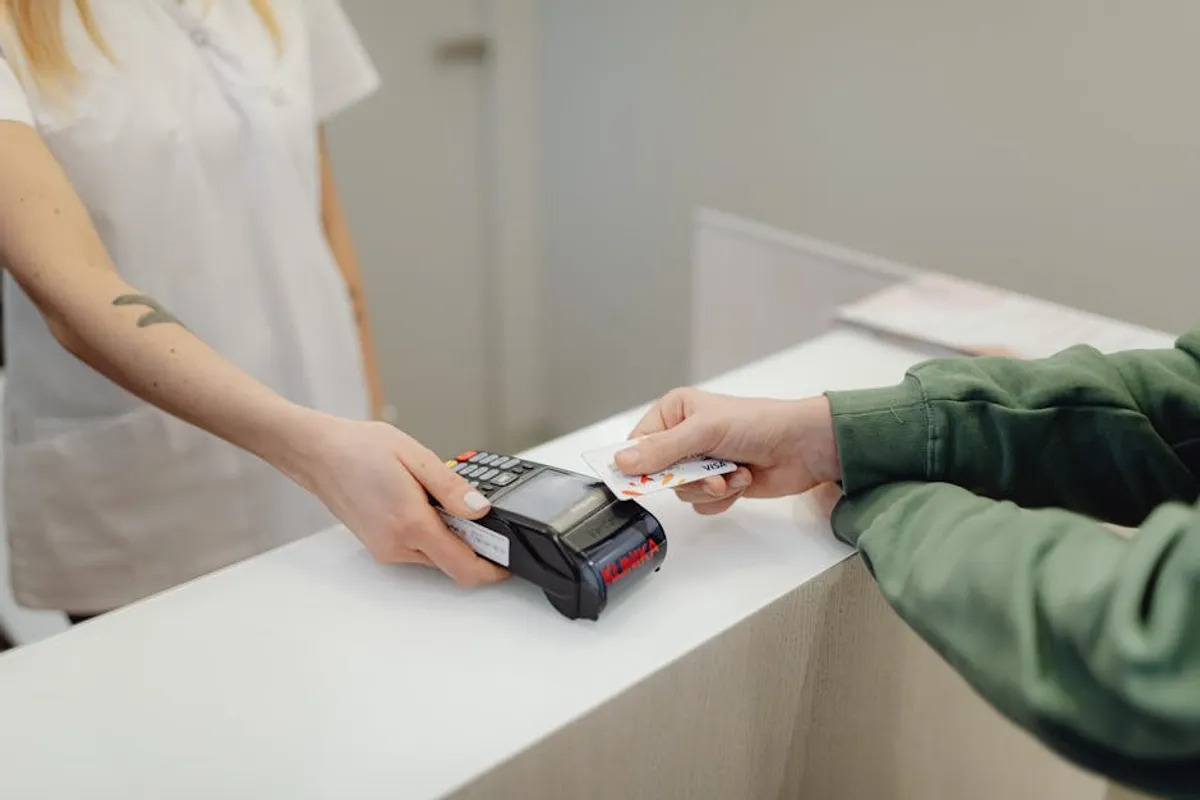
POS systems are used for in-person transactions in retail stores, restaurants, and service-based businesses. Modern POS systems go beyond just accepting payments; they often include inventory management, sales tracking, customer relationship management (CRM), and employee management features. They can accept various payment methods, including EMV chip cards, NFC (contactless) payments, and traditional swipe.
Best for: Brick-and-mortar retail, restaurants, salons, and mobile service providers.
Mobile Payment Solutions
These systems facilitate payments via mobile devices. This includes mobile POS (mPOS) devices that attach to smartphones or tablets, allowing small businesses or mobile vendors to accept card payments. It also encompasses digital wallets like Apple Pay or Google Pay, which store payment credentials for quick, secure transactions online or in-store.
Best for: Small businesses, pop-up shops, mobile vendors, and businesses prioritizing customer convenience through digital wallets.
Alternative Payment Methods (APMs)
Beyond traditional credit and debit cards, APMs are gaining traction. These include bank transfers, Buy Now, Pay Later (BNPL) services (e.g., Klarna, Afterpay), cryptocurrency, and country-specific payment options. Offering APMs can expand your customer base, particularly in international markets where card penetration may be lower or local preferences differ.
Best for: E-commerce businesses targeting diverse global audiences, businesses offering high-value items, or those catering to tech-savvy demographics.
Key Considerations for Payment System Selection
Choosing the right payment system requires careful evaluation of several factors to ensure it aligns with your business model and growth objectives.
Transaction Fees and Pricing Models
Payment processing fees are a significant operational cost. These typically include interchange fees (paid to the card-issuing bank), assessment fees (paid to card networks like Visa/Mastercard), and processor markup. Pricing models vary:
- Flat Rate: A single percentage and/or fixed fee per transaction (e.g., 2.9% + $0.30). Predictable for smaller businesses.
- Interchange-Plus: Interchange fee + a fixed markup from the processor. Transparent and often more cost-effective for higher volumes.
- Tiered Pricing: Transactions are grouped into qualified, mid-qualified, and non-qualified tiers, each with different rates. Can be opaque and lead to higher costs for non-qualified transactions.
Always request a detailed breakdown of all fees, including setup fees, monthly fees, chargeback fees, and PCI compliance fees.
Security and Compliance (PCI DSS)
Handling sensitive payment data mandates strict security protocols. The Payment Card Industry Data Security Standard (PCI DSS) is a set of requirements designed to ensure that all companies that process, store, or transmit credit card information maintain a secure environment. Your chosen payment system must be PCI compliant, and you, as the merchant, also bear responsibility for maintaining compliance within your own systems. Look for features like tokenization and end-to-end encryption to minimize your PCI scope.
Integration Capabilities
A payment system should integrate seamlessly with your existing business tools, such as your e-commerce platform, accounting software, CRM, and inventory management systems. Robust APIs (Application Programming Interfaces) and pre-built integrations simplify implementation, reduce manual data entry, and improve overall operational efficiency.
Customer Experience and Usability
A clunky or insecure checkout process can lead to abandoned carts and lost sales. The payment system should offer a smooth, intuitive, and mobile-responsive interface. Features like one-click checkout, guest checkout options, and localized payment methods contribute to a positive customer experience.
Supported Currencies and Geographic Reach
If you plan to sell internationally, your payment system must support multiple currencies and offer local payment methods relevant to your target markets. This includes dynamic currency conversion and local acquiring capabilities to reduce foreign exchange fees and improve authorization rates.
Fraud Prevention Tools
Chargebacks and fraudulent transactions can be costly. Evaluate the payment system's built-in fraud detection and prevention tools. These may include velocity checks, IP address verification, device fingerprinting, and customizable rule sets. A robust fraud prevention suite protects your revenue and reputation.
Pro Tip: Regularly audit your payment processor statements. Hidden fees, interchange rate changes, or unexpected chargeback percentages can significantly impact your net revenue. Negotiate terms annually and compare offers from multiple providers to ensure you are securing competitive rates and transparent pricing.
Implementing and Managing Your Payment System
Setup Process
Once a system is chosen, the implementation phase involves several steps: account application and approval, integration with your website or POS hardware, testing of transaction flows, and configuring fraud settings. Work closely with your provider's support team to ensure a smooth launch.
Ongoing Monitoring and Optimization
Payment systems are not "set it and forget it." Continuously monitor transaction success rates, chargeback ratios, and customer feedback. Optimize your checkout flow based on analytics, and stay informed about new payment technologies or regulatory changes that could impact your operations. Regular security audits are also critical.
Strategic Payment System Selection
The choice of a payment system is a strategic business decision that extends beyond just transaction processing. It impacts your operational costs, customer satisfaction, security posture, and ability to scale. By thoroughly evaluating your business needs against the features, fees, and integration capabilities of available solutions, you can select a system that not only facilitates sales but actively contributes to your commercial success and long-term growth.
Frequently Asked Questions
What is the difference between a payment gateway and a payment processor?
A payment gateway securely transmits payment information from the customer to the processor. The payment processor then communicates with banks to authorize and settle the transaction, moving funds between accounts. They often work in tandem, sometimes offered by the same provider.
How does PCI DSS compliance affect my business?
PCI DSS compliance is mandatory for any business that accepts, processes, stores, or transmits credit card data. Non-compliance can result in significant fines, data breaches, and reputational damage. Your payment system provider should be compliant, and you must ensure your own systems and processes also meet the standards.
What are chargebacks and how can I prevent them?
A chargeback occurs when a customer disputes a transaction with their bank, leading to the reversal of funds. Common causes include fraud, service dissatisfaction, or billing errors. Prevention strategies include clear product descriptions, excellent customer service, proof of delivery, and robust fraud detection tools.
Can I use multiple payment systems for my business?
Yes, many businesses use multiple payment systems to cater to different customer preferences or to diversify risk. For example, an e-commerce store might use one gateway for card payments and offer separate options for digital wallets or BNPL services. This can improve conversion rates by offering more choices.