Solana, a high-performance blockchain, has captured significant attention due to its speed and scalability claims. However, its price trajectory, like any digital asset, is subject to a complex interplay of technological advancements, market sentiment, regulatory developments, and broader economic conditions. For those evaluating Solana as a potential asset, understanding these underlying dynamics is essential for navigating its inherent volatility and making informed decisions. This analysis provides a framework for assessing Solana's current market position, identifying critical risks, and highlighting key indicators to monitor.
Current Market Outlook and Driving Factors
Solana's market outlook is shaped by both its technical capabilities and the broader cryptocurrency landscape. The platform differentiates itself through its Proof-of-History (PoH) consensus mechanism, enabling high transaction throughput and low fees compared to some competitors. This has attracted a diverse ecosystem of decentralized applications (dApps), non-fungible tokens (NFTs), and decentralized finance (DeFi) projects, directly influencing demand for its native SOL token.
Bullish Drivers:
- Ecosystem Expansion: Continued growth in dApp deployment, user adoption, and Total Value Locked (TVL) within Solana's DeFi sector signals organic demand and utility. Significant developer activity, measured by unique active developers and code contributions, indicates long-term health.
- Technological Advancements: Ongoing protocol upgrades, such as the implementation of Firedancer, aim to further enhance network performance, reliability, and decentralization. These developments can bolster confidence and attract new projects.
- Institutional Interest: Increasing participation from institutional investors, venture capital firms, and corporate partnerships can provide significant capital inflows and validate Solana's long-term potential.
- Scalability and Speed: Solana's theoretical transaction capacity and low transaction costs remain competitive advantages, particularly for applications requiring high throughput like gaming and real-time payments.
Bearish Drivers:
- Macroeconomic Headwinds: Broader economic downturns, rising interest rates, and inflation can lead to risk-off sentiment, impacting speculative assets like cryptocurrencies.
- Regulatory Uncertainty: Evolving global regulations surrounding digital assets, particularly the classification of tokens as securities, could introduce compliance challenges and affect market access.
- Competition: Intense competition from other Layer-1 blockchains (e.g., Ethereum, Avalanche, BNB Chain) vying for developer talent, user base, and institutional capital can dilute Solana's market share.
- Network Stability Concerns: Past network outages have raised questions about Solana's resilience and decentralization, impacting investor confidence. Addressing these issues through engineering improvements is critical.
Key Technical and Fundamental Indicators to Watch
Monitoring specific data points can provide insight into Solana's price movements and underlying health.
Technical Analysis Signals
For short-to-medium term price action, technical indicators offer a framework for analysis:
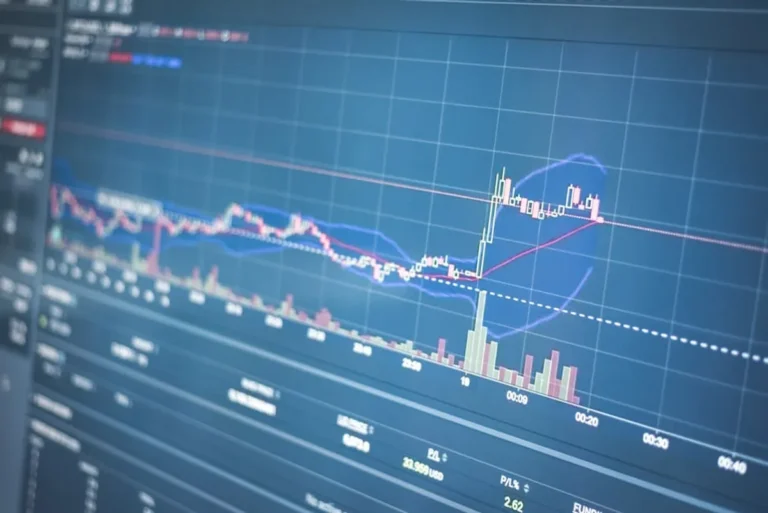
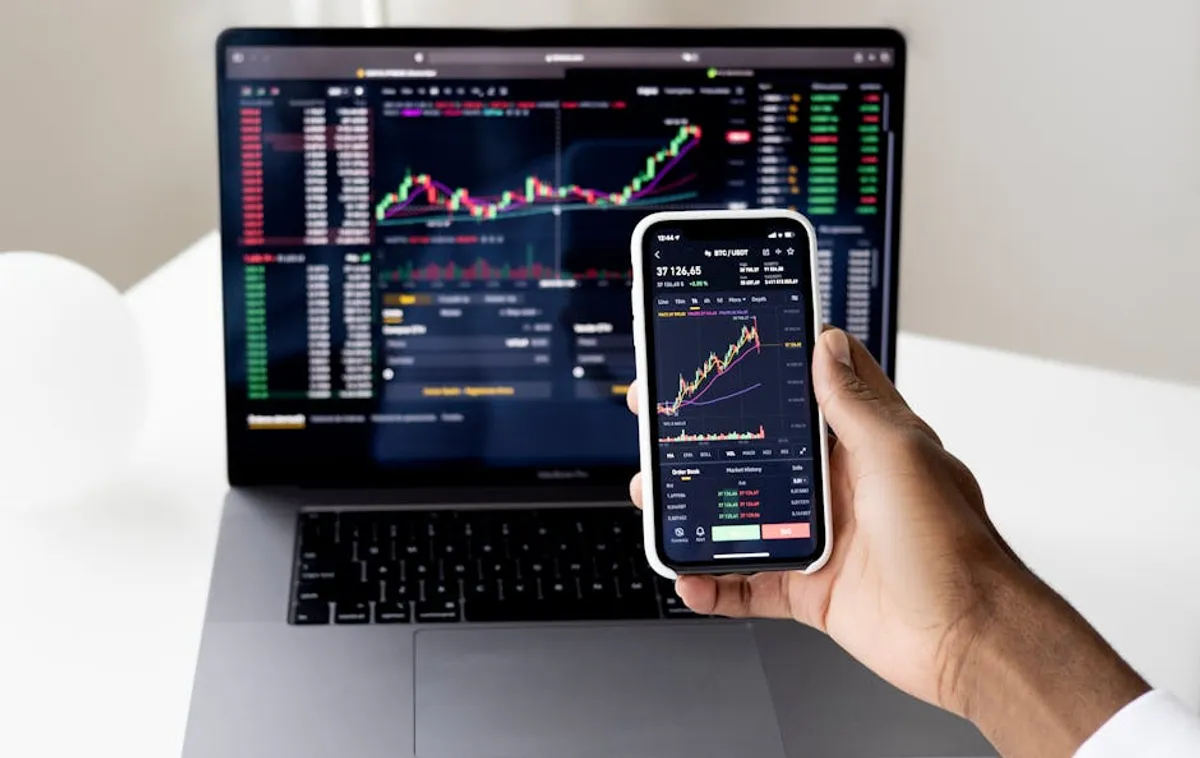
- Support and Resistance Levels: Identifying historical price points where buying or selling pressure has consistently emerged can indicate potential turning points. Strong support levels suggest price floors, while resistance levels indicate overhead supply.
- Moving Averages (MAs): Crossovers of short-term (e.g., 50-day) and long-term (e.g., 200-day) exponential moving averages (EMAs) can signal shifts in trend direction. A golden cross (short-term above long-term) is often seen as bullish, while a death cross (short-term below long-term) is bearish.
- Relative Strength Index (RSI): This momentum oscillator measures the speed and change of price movements. Readings above 70 typically suggest an asset is overbought and may be due for a correction, while readings below 30 indicate oversold conditions, potentially preceding a bounce.
- Trading Volume: High trading volume accompanying significant price movements lends credibility to the trend. Low volume on price changes can indicate a lack of conviction.
Fundamental Ecosystem Metrics
Beyond price charts, the health of the Solana ecosystem provides critical long-term context:
- Total Value Locked (TVL): Measures the total value of assets staked in DeFi protocols on Solana. A rising TVL indicates growing user engagement and confidence in the network's financial applications.
- Active Addresses: The number of unique wallets interacting with the Solana blockchain provides a proxy for network adoption and utility. Consistent growth suggests a healthy and expanding user base.
- Developer Activity: Metrics like the number of unique developers, code commits, and new project launches signal the platform's ability to attract and retain talent, which is vital for innovation and future growth.
- Transaction Count and Fees: High transaction counts coupled with low average transaction fees demonstrate Solana's efficiency and cost-effectiveness, appealing to users and developers alike.
Pro Tip: While analyzing Solana's price, always consider its correlation with Bitcoin's performance. Bitcoin often acts as a bellwether for the broader crypto market. A significant downturn in Bitcoin can exert downward pressure on altcoins, regardless of their individual fundamentals. Diversifying portfolio exposure and not over-allocating to any single asset class remains a prudent risk management strategy.
Specific Risks Associated with Solana
Investing in Solana carries distinct risks that warrant careful consideration.
Network Stability and Centralization
Solana has experienced several network outages since its inception, which have temporarily halted transaction processing. While the Solana Foundation and core developers actively work on improving network resilience, these incidents raise concerns about reliability and impact user trust. Furthermore, the hardware requirements for running a validator node on Solana are relatively high, leading to some concerns about the degree of decentralization compared to networks with lower entry barriers for validators.
Regulatory Landscape
The regulatory environment for cryptocurrencies remains fragmented and uncertain globally. If Solana's SOL token were to be classified as a security in major jurisdictions, it could face stricter compliance requirements, limitations on exchange listings, and potentially impact its liquidity and accessibility for investors. This uncertainty creates a persistent overhang for all digital assets, including Solana.
Competitive Pressures
The Layer-1 blockchain space is highly competitive. Ethereum, with its large developer community and established network effects, continues to dominate, while other emerging chains offer alternative value propositions. Solana must continually innovate and demonstrate superior performance, security, and developer support to maintain and expand its market position against well-funded and technically capable rivals.
Strategic Considerations for Potential Investors
Approaching Solana, or any volatile asset, requires a defined strategy:
- Due Diligence: Thoroughly research the project's technology, team, tokenomics, and competitive landscape. Understand the whitepaper and development roadmap.
- Risk Tolerance Assessment: Determine how much capital you are willing to risk, acknowledging the potential for significant losses in a highly volatile market.
- Diversification: Avoid concentrating too much capital in a single asset. A diversified portfolio can mitigate the impact of adverse movements in any one holding.
- Long-Term vs. Short-Term: Define your investment horizon. Short-term trading is often driven by technical analysis and market sentiment, while long-term positions typically rely more on fundamental growth potential.
- Stay Informed: Continuously monitor news, regulatory updates, ecosystem developments, and technical analyses related to Solana and the broader crypto market.
Navigating Solana's Future Price Trajectory
Solana's future price trajectory will be a function of its ability to execute on its technological roadmap, expand its ecosystem, and navigate regulatory challenges, all within the context of broader market dynamics. For those considering participation, a balanced perspective that weighs the potential for high growth against inherent risks is crucial. Focus on the underlying utility and adoption metrics, rather than solely on speculative price movements. Continuous re-evaluation of both technical and fundamental factors will be necessary to adapt to an evolving market.
Frequently Asked Questions
What factors primarily influence Solana's price?
Solana's price is influenced by its ecosystem growth (dApps, DeFi, NFTs), technological advancements (scalability, upgrades), network stability, institutional adoption, regulatory developments, and overall cryptocurrency market sentiment, especially Bitcoin's performance.
Is Solana a good investment?
Whether Solana is a "good" investment depends on individual risk tolerance, investment horizon, and financial goals. It offers high growth potential due to its technology and ecosystem, but also carries significant risks like network stability issues and market volatility. It requires thorough research and understanding of its specific risks.
What are the main risks associated with Solana?
Key risks include past network outages affecting reliability, potential concerns regarding validator decentralization, intense competition from other Layer-1 blockchains, and the evolving regulatory landscape for digital assets which could impact its classification and market access.
How does Solana compare to Ethereum?
Solana generally offers higher transaction throughput and lower fees compared to Ethereum's current Proof-of-Work (PoW) or even Proof-of-Stake (PoS) architecture, making it attractive for high-frequency applications. However, Ethereum boasts a larger, more established ecosystem, stronger network effects, and a longer track record of decentralization, while Solana is still maturing in these aspects.