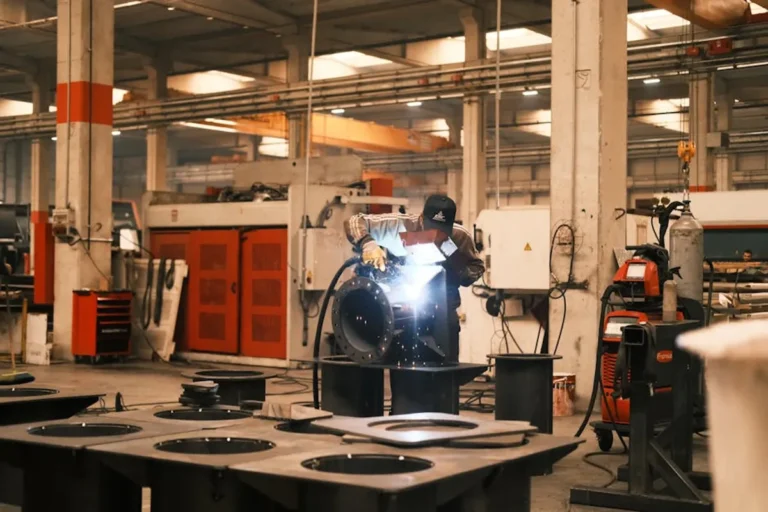

Developing effective high school welding projects requires a deliberate approach that balances educational objectives with practical constraints. For educators, program coordinators, and school administrators, the primary challenge lies in selecting projects that are safe, budget-conscious, and directly contribute to student skill development and career readiness. This guide outlines the critical factors for project selection, details their educational applications, specifies material and equipment considerations, and provides actionable buying tips to maximize program value and student outcomes.
Guide to High School Welding Projects
Successful welding programs integrate projects that build foundational skills while maintaining student engagement. The selection process should be systematic, considering both pedagogical goals and logistical realities.
Project Selection Criteria
When evaluating potential projects, prioritize those that offer clear learning objectives and align with curriculum standards. Key criteria include:
- Skill Progression: Projects should introduce new techniques incrementally, building from basic bead control to more complex joint configurations and fabrication. For instance, starting with flat plate welds before moving to corner or T-joints.
- Curriculum Alignment: Ensure projects reinforce specific welding processes (e.g., MIG, TIG, Stick) and associated knowledge, such as material preparation, measurement, and blueprint reading.
- Material Efficiency: Opt for projects that minimize material waste and allow for efficient use of stock. Small, modular projects often achieve this better than large, intricate designs.
- Safety Profile: Simpler designs with fewer complex cuts or awkward welding positions inherently reduce safety risks. Projects should allow for clear visibility and comfortable working postures.
- Completion Time: Projects must be realistically completable within class periods or semester timelines, preventing student frustration and allowing for multiple project cycles.
Essential Project Categories
High school welding projects typically fall into categories that address specific skill sets:
Basic Joint Practice: Flat plates for bead practice, lap joints, T-joints, and butt joints. These are fundamental for developing consistent travel speed, arc length, and puddle control.
Functional Small Items: Projects like metal art, small stands, tool holders, or simple brackets. These introduce measuring, cutting, fitting, and multi-pass welding, providing a tangible outcome.
Repair and Fabrication Simulations: Replicating scenarios like repairing a broken gate hinge or fabricating a simple frame. These projects emphasize problem-solving and applying learned techniques to practical situations.
Safety Considerations in Project Planning
Safety is paramount. Project plans must integrate comprehensive safety protocols from design to execution. This includes:
- Ensuring adequate ventilation for all welding areas.
- Mandating proper Personal Protective Equipment (PPE) for every student and instructor.
- Designing projects that avoid hazardous material handling or awkward positions.
- Implementing clear lockout/tagout procedures for equipment maintenance.
- Providing designated, supervised work zones for each project stage.
Understanding Project Uses and Educational Value
Beyond simply creating an object, each welding project serves a distinct educational purpose, contributing to a student's technical proficiency and career readiness.
Skill Development Focus
Projects are direct conduits for acquiring and refining specific welding skills. A simple square frame project, for example, teaches precise cutting, accurate fit-up, tack welding, and controlled full-penetration welds on all four sides. Introducing different material thicknesses or joint types within a project series progressively challenges students to adapt their techniques, managing heat input and distortion.
Real-World Application
Connecting projects to real-world applications enhances student motivation and understanding. Fabricating a small utility cart demonstrates structural integrity and load-bearing principles. Repairing a simulated broken component teaches diagnostic skills and material identification. These applications bridge the gap between theoretical knowledge and practical execution, preparing students for industry demands.
Portfolio Building
Completed projects serve as tangible evidence of a student's capabilities. A well-executed project, showcasing clean welds, accurate dimensions, and proper finishing, can be a valuable addition to a student's portfolio when applying for trade schools, apprenticeships, or entry-level positions. Documenting the project process, from blueprint to final product, further demonstrates planning and execution skills.
Key Specifications for Project Materials and Equipment
The success of high school welding projects hinges on selecting appropriate materials and ensuring access to necessary equipment.
Material Types and Gauges
Common materials include mild steel, stainless steel, and aluminum. Mild steel is often preferred for introductory projects due to its lower cost and ease of welding. Different gauges (thicknesses) are critical:
Sheet Metal (16-22 gauge): Suitable for thin material practice, requiring precise heat control to prevent burn-through. Projects might include small boxes or decorative items.
Light Plate (1/8" - 1/4"): Ideal for foundational joint practice and small structural components. This thickness is forgiving for beginners and allows for multiple passes.
Medium Plate (3/8" - 1/2"): Used for more advanced structural projects, teaching deep penetration and multi-pass techniques. Requires higher amperage and more controlled heat management.
Consumables and Accessories
Selecting the correct consumables is vital for each welding process:
- MIG Welding: Wire (e.g., ER70S-6 for mild steel, 0.023" to 0.035" diameter) and shielding gas (e.g., 75% Argon/25% CO2 for mild steel).
- Stick Welding: Electrodes (e.g., E6010 for penetration, E7018 for strength, various diameters).
- TIG Welding: Tungsten electrodes (e.g., 2% Lanthanated), filler rods (matching base metal), and shielding gas (e.g., 100% Argon).
Accessories include grinding wheels, cutting discs, wire brushes, clamps, and jigs, all essential for preparation, fit-up, and finishing.
Tooling and Fixturing Needs
Adequate tooling ensures accuracy and safety. This includes measuring tools (tape measures, squares, calipers), cutting tools (angle grinders, band saws, plasma cutters), and forming tools (benders, presses). Fixturing, such as welding tables with clamps, vises, and magnetic squares, is crucial for holding workpieces securely during welding, preventing distortion and ensuring precise angles.
Buying Tips for High School Welding Programs
Strategic purchasing can significantly impact a program's budget and long-term operational efficiency.
Budget-Conscious Sourcing
Explore educational discounts directly from manufacturers or through specialized industrial suppliers. Purchasing materials in bulk, such as full sheets of steel or larger spools of welding wire, often yields lower unit costs. Consider local metal suppliers who may offer off-cuts or scrap at reduced prices for practice material, provided quality remains consistent.
Durability and Longevity
Invest in equipment designed for industrial use, even if the initial cost is higher. Industrial-grade welders, grinders, and safety gear withstand frequent student use and offer a longer service life, reducing replacement costs over time. Prioritize robust construction and readily available spare parts.
Supplier Relationships
Cultivate relationships with local industrial suppliers. They can offer technical support, provide insights into new materials or techniques, and sometimes offer expedited delivery or credit terms. A reliable supplier can be a valuable partner in maintaining a well-stocked and functional welding program.
Pro Tip: When sourcing welding materials, always request Material Safety Data Sheets (MSDS) or Safety Data Sheets (SDS) for all consumables and base metals. This ensures compliance with safety regulations and provides critical information for safe handling, storage, and emergency procedures within the school environment.
Implementing Successful Welding Projects
Successful project implementation extends beyond material acquisition. It involves clear instruction, consistent supervision, and opportunities for feedback and revision. Break down complex projects into manageable steps, allowing students to master each phase before moving on. Encourage critical thinking about design choices and material properties. Regular review of completed welds, identifying areas for improvement, fosters continuous skill development. Documenting project progress and outcomes provides valuable data for program assessment and future curriculum planning.
Frequently Asked Questions
What are suitable first projects for high school welding students?
Simple projects focusing on fundamental skills are ideal, such as welding beads on flat plates, creating basic lap or T-joints, or fabricating small, non-critical items like metal cubes or simple tool holders. These projects emphasize arc control, travel speed, and proper material preparation without introducing complex geometry.
How can we source welding materials affordably for a school program?
Explore local metal supply yards for off-cuts or remnants, which are often sold at a reduced rate. Contact industrial suppliers about educational discounts or bulk purchasing options. Consider partnerships with local businesses that might donate scrap metal suitable for practice, ensuring it is clean and free of hazardous coatings.
What safety equipment is non-negotiable for high school welding projects?
Essential safety equipment includes auto-darkening welding helmets, flame-resistant jackets or aprons, welding gloves (gauntlet style), safety glasses (worn under helmets), steel-toed boots, and adequate ventilation systems. Ear protection is also crucial, especially when grinding or cutting.