Safety equipment transcends mere compliance; it represents a foundational investment in operational continuity, employee well-being, and liability mitigation. For any enterprise, understanding the precise purpose, varied applications, technical specifications, and strategic acquisition of safety gear is critical, not just for meeting regulatory mandates, but for fostering a resilient and productive work environment. This guide provides a detailed framework for evaluating, selecting, and procuring safety equipment that aligns directly with specific operational demands and risk profiles.
Defining the Purpose of Safety Equipment
The core purpose of safety equipment is to minimize risk and prevent injury or illness in hazardous environments. This extends beyond protecting individuals from immediate physical harm to include safeguarding organizational assets, maintaining productivity, and preserving brand reputation. Effective safety equipment acts as a critical barrier or control measure when other engineering or administrative controls are insufficient or impractical. Its deployment is a direct response to identified workplace hazards, ranging from chemical exposure and extreme temperatures to falls from height and impact risks.
Investing in appropriate safety equipment directly impacts an organization's bottom line by reducing accident-related costs, which include medical expenses, lost workdays, equipment damage, and legal fees. Furthermore, a demonstrably safe workplace enhances employee morale and retention, as workers feel valued and protected. This proactive approach to safety is a differentiator for businesses aiming for long-term operational stability and ethical responsibility.
Key Categories and Uses of Safety Equipment
Safety equipment is broadly categorized by its function and the type of hazard it addresses. Understanding these distinctions is crucial for correct application and selection.
Personal Protective Equipment (PPE)
PPE is designed to protect the wearer from specific hazards and is often the last line of defense. Selection must be hazard-specific and user-fitted.
- Head Protection: Hard hats (e.g., ANSI Z89.1 compliant) protect against impact, falling objects, and electrical shocks. Used in construction, manufacturing, and utility work.
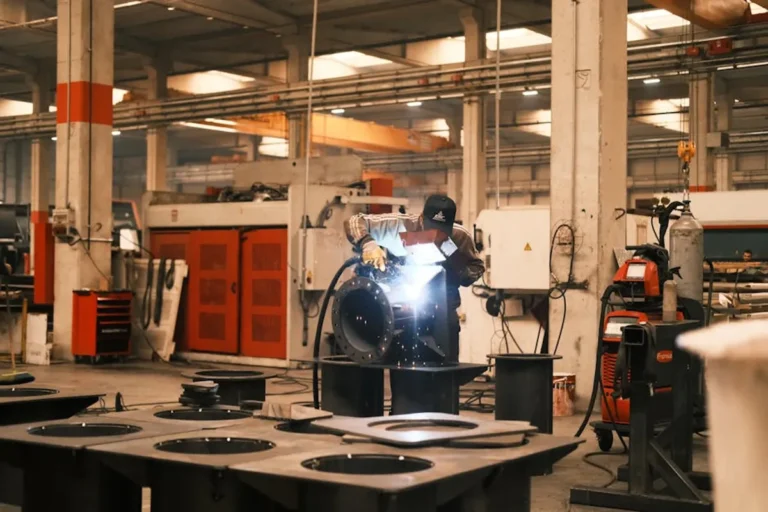
- Eye and Face Protection: Safety glasses, goggles, and face shields (e.g., ANSI Z87.1 compliant) guard against chemical splashes, flying debris, and intense light. Essential in welding, grinding, and chemical handling.
- Hearing Protection: Earplugs and earmuffs (rated by Noise Reduction Rating, NRR) reduce exposure to hazardous noise levels, preventing noise-induced hearing loss. Common in heavy industry, airports, and construction.
- Respiratory Protection: Respirators (e.g., NIOSH-approved N95, half-mask, full-face) filter airborne contaminants like dust, fumes, gases, and vapors. Critical for painting, sanding, and chemical processing.
- Hand Protection: Gloves (e.g., leather for abrasion, nitrile for chemical, cut-resistant for sharp objects) protect against cuts, abrasions, chemicals, and extreme temperatures. Varied applications across industries.
- Foot Protection: Safety footwear (e.g., ASTM F2413 compliant steel-toe boots) protects against impact, compression, punctures, and electrical hazards. Required in warehouses, construction, and heavy manufacturing.
- Fall Protection: Harnesses, lanyards, and anchor points (e.g., OSHA 1926.502 compliant) prevent or arrest falls from height. Indispensable for roofing, scaffolding, and elevated work.
Site Safety Equipment
This category encompasses equipment that manages and mitigates hazards across an entire work area.
- Barricades and Signage: Delineate hazardous zones, direct traffic, and communicate warnings. Essential for crowd control, construction sites, and temporary hazards.
- Spill Containment: Berms, absorbents, and spill kits manage and clean up hazardous liquid spills, preventing environmental contamination and slips. Used in chemical storage, laboratories, and industrial facilities.
- Lockout/Tagout Devices: Physically prevent the unexpected startup or release of energy from machinery during maintenance or servicing. Crucial for preventing accidental energization.
- Fire Safety Equipment: Fire extinguishers, smoke detectors, and emergency lighting respond to fire incidents and facilitate safe evacuation. Universal requirement across all facilities.
Emergency Response Equipment
Designed for immediate action during unforeseen incidents.
- First Aid Kits: Provide immediate care for minor injuries. Contents vary by workplace size and specific risks.
- Eyewash Stations and Safety Showers: Offer immediate decontamination for chemical splashes to the eyes or body. Required where corrosive or toxic chemicals are present.
- Automated External Defibrillators (AEDs): Deliver electric shocks to restore normal heart rhythm during sudden cardiac arrest. Increasingly common in public and private workplaces.
Understanding Specifications and Standards
The effectiveness of safety equipment hinges on its adherence to rigorous technical specifications and industry standards. These benchmarks ensure reliability, performance, and compatibility.
Certifications and Compliance
Regulatory bodies and independent organizations establish standards that dictate design, testing, and performance. In the U.S., OSHA mandates compliance, often referencing standards set by organizations like ANSI (American National Standards Institute), ASTM (American Society for Testing and Materials), and NIOSH (National Institute for Occupational Safety and Health). European standards (EN) are also globally recognized. Verifying certifications (e.g., CE mark, UL listing, CSA approval) is non-negotiable for ensuring equipment meets minimum safety requirements.
Material Science and Durability
Material selection directly impacts an item's protective capabilities and lifespan. For instance, high-density polyethylene (HDPE) provides impact resistance in hard hats, while specialized elastomers offer chemical resistance in gloves. Cut-resistant gloves often utilize materials like Kevlar or Dyneema. Understanding the material composition allows for selection that withstands specific environmental stressors, such as UV exposure, chemical degradation, or extreme temperatures, ensuring long-term protective integrity.
Ergonomics and User Comfort
While often overlooked, ergonomic design is paramount for compliance and effectiveness. Equipment that is uncomfortable, ill-fitting, or cumbersome is less likely to be used correctly or consistently. Features like adjustable straps, lightweight materials, breathable fabrics, and anatomically correct designs reduce user fatigue, improve range of motion, and enhance overall acceptance, directly correlating with improved safety outcomes.
Pro Tip: Always review the manufacturer's data sheets and test reports for specific performance metrics, not just general compliance statements. These documents provide detailed information on material composition, protection levels against specific hazards (e.g., chemical permeation rates, impact absorption values), and limitations of use. Relying solely on product descriptions can lead to misapplication or insufficient protection.
Strategic Buying Tips for Safety Equipment
Acquiring safety equipment requires a systematic approach that considers both immediate needs and long-term implications.
Assessing Needs and Risk Profiles
Begin with a comprehensive hazard assessment of your specific workplace. Identify all potential risks (physical, chemical, biological, ergonomic) and the severity of exposure. This assessment informs the precise type and quantity of equipment required. Consider job-specific tasks, environmental conditions, and the number of personnel needing protection. Over-specifying can lead to unnecessary costs, while under-specifying creates critical safety gaps.
Vendor Selection and Support
Choose suppliers who offer more than just products. Look for vendors with deep product knowledge, a history of reliable supply, and robust post-purchase support. A good vendor can provide technical advice on product selection, offer training resources, and ensure timely delivery, especially for critical items. Evaluate their return policies, warranty coverage, and ability to handle bulk orders or custom requirements. Prioritize suppliers who can demonstrate a commitment to quality and regulatory compliance.
Budgeting and Lifecycle Costs
Beyond the initial purchase price, consider the total cost of ownership. This includes maintenance, replacement parts, consumables (e.g., respirator filters), and the expected lifespan of the equipment. Higher-quality, more durable equipment might have a greater upfront cost but often delivers better long-term value through extended service life and reduced replacement frequency. Factor in costs associated with training employees on proper use and care, which is essential for maximizing equipment effectiveness and longevity.
Ensuring Continuous Safety and Compliance
Effective safety equipment management is an ongoing process, not a one-time purchase. Regular inspections, maintenance, and timely replacement of worn or expired items are crucial. Establish clear protocols for storage, cleaning, and disposal to maintain protective integrity. Furthermore, continuous training and reinforcement of proper usage techniques for all personnel are indispensable. By integrating these practices, organizations can ensure their safety equipment remains a reliable defense against workplace hazards, contributing to a culture of safety and sustained operational excellence.
Frequently Asked Questions
How often should safety equipment be inspected?
Inspection frequency varies by equipment type and usage. General PPE (e.g., hard hats, safety glasses) should be inspected before each use. Fall protection equipment requires inspection before each use and a more thorough periodic inspection by a competent person, typically every 6 to 12 months. Refer to manufacturer guidelines and regulatory standards for specific schedules.
Can I reuse disposable safety equipment?
No, disposable safety equipment, such as N95 respirators or single-use chemical gloves, is designed for one-time use only. Reusing disposable items compromises their protective capabilities and can expose users to hazards. Always follow manufacturer instructions regarding single-use or multi-use designations.
What is the importance of proper fit for PPE?
Proper fit is critical because ill-fitting PPE can be ineffective, uncomfortable, and even create new hazards. Loose items can snag, while tight items restrict movement or cause discomfort, leading to non-compliance. Correct sizing and adjustment ensure the equipment provides the intended level of protection and is worn consistently.